

As Duck Foot Parts continues to expand internationally, Steve and Chrisa have had the opportunity to meet many new contacts in the ag and manufacturing industries. Attending or exhibiting at trade shows is a great platform for this and it was at Kentucky’s National Farm Machinery Show in 2019 that interest from Brazil began. In the fall of 2019, the Brazil manufacturer reached out to have Steve join them at a field demonstration in the USA. Following that, he made his first trip to Brazil in 2022 to discuss opportunities in this new market. In 2023, Steve and Chrisa joined other Saskatchewan companies on a STEP (Saskatchewan Trade & Export Partnership) Trade Mission to Brazil & Argentina. They attended Expodireto Cotrijal in Brazil and Expoagro in Argentina where they had the opportunity to present Duck Foot® paddle tines at the International Business Center, meet with government, business leaders and farm cooperatives. STEP provides valuable resources and opportunities to learn more about new markets and support the connections and pathways for Saskatchewan exporters.
In December 2025, Steve and Chrisa traveled to Brazil for face-to-face meetings with new and existing contacts. Although the convenience of virtual connection through online meetings and emails is remarkable, face to face, feet on the ground, meetings are important for building strong partnerships. As they continued to learn about the Brazilian economy, business practices, and tax and trade regulations, it expanded their understanding of the potential growth, but also the ongoing barriers, that come with expanding into the market.
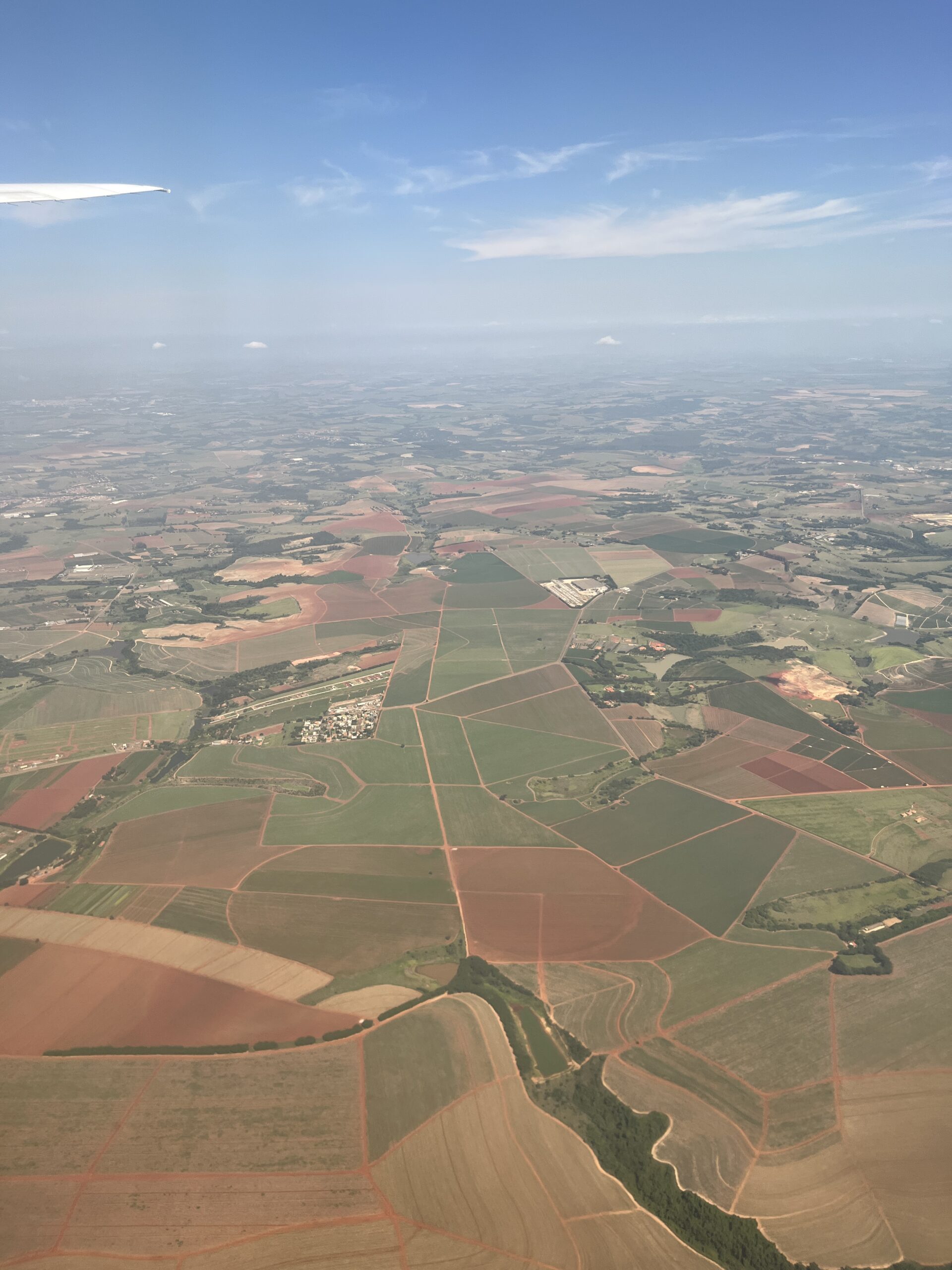
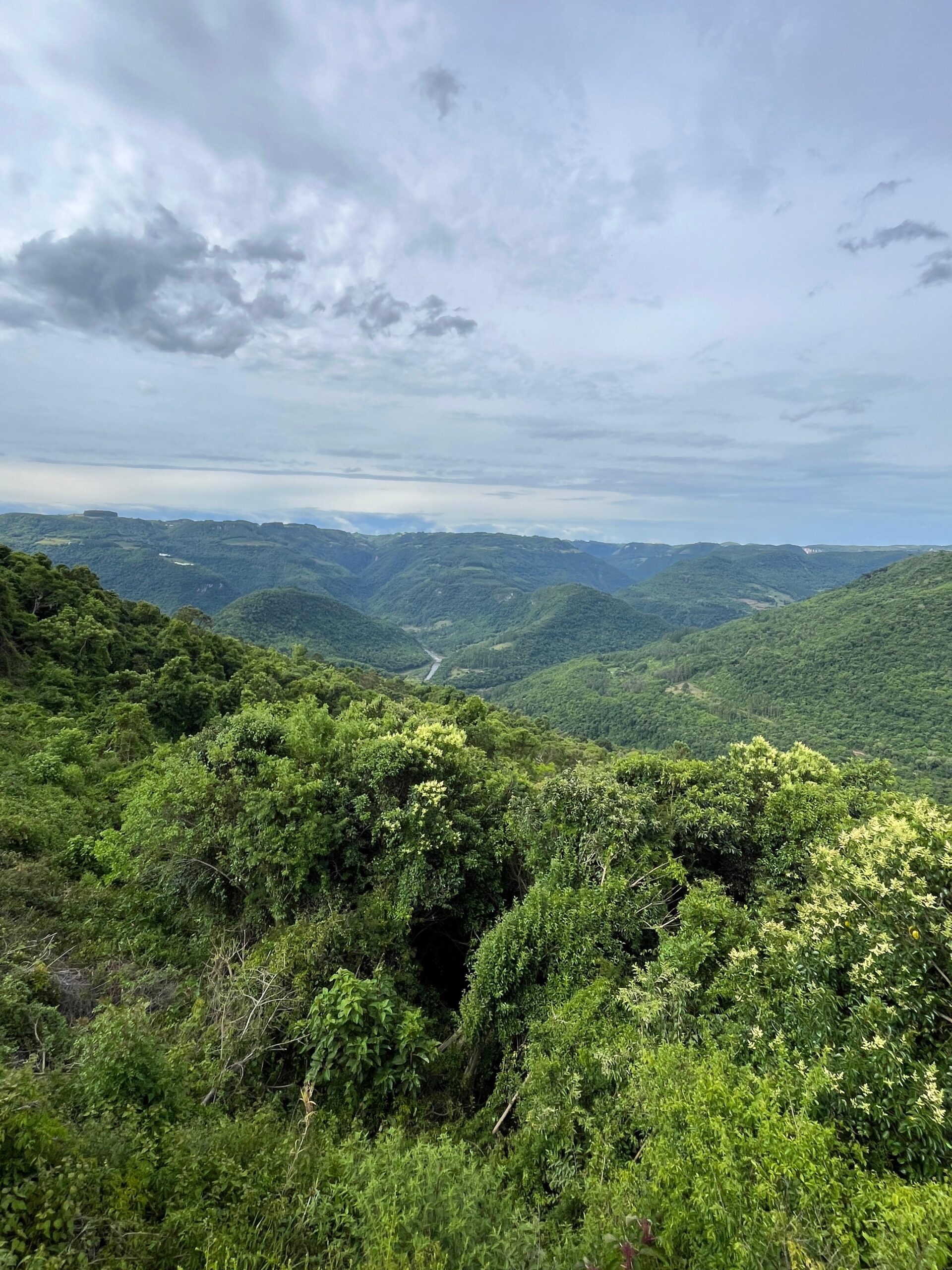
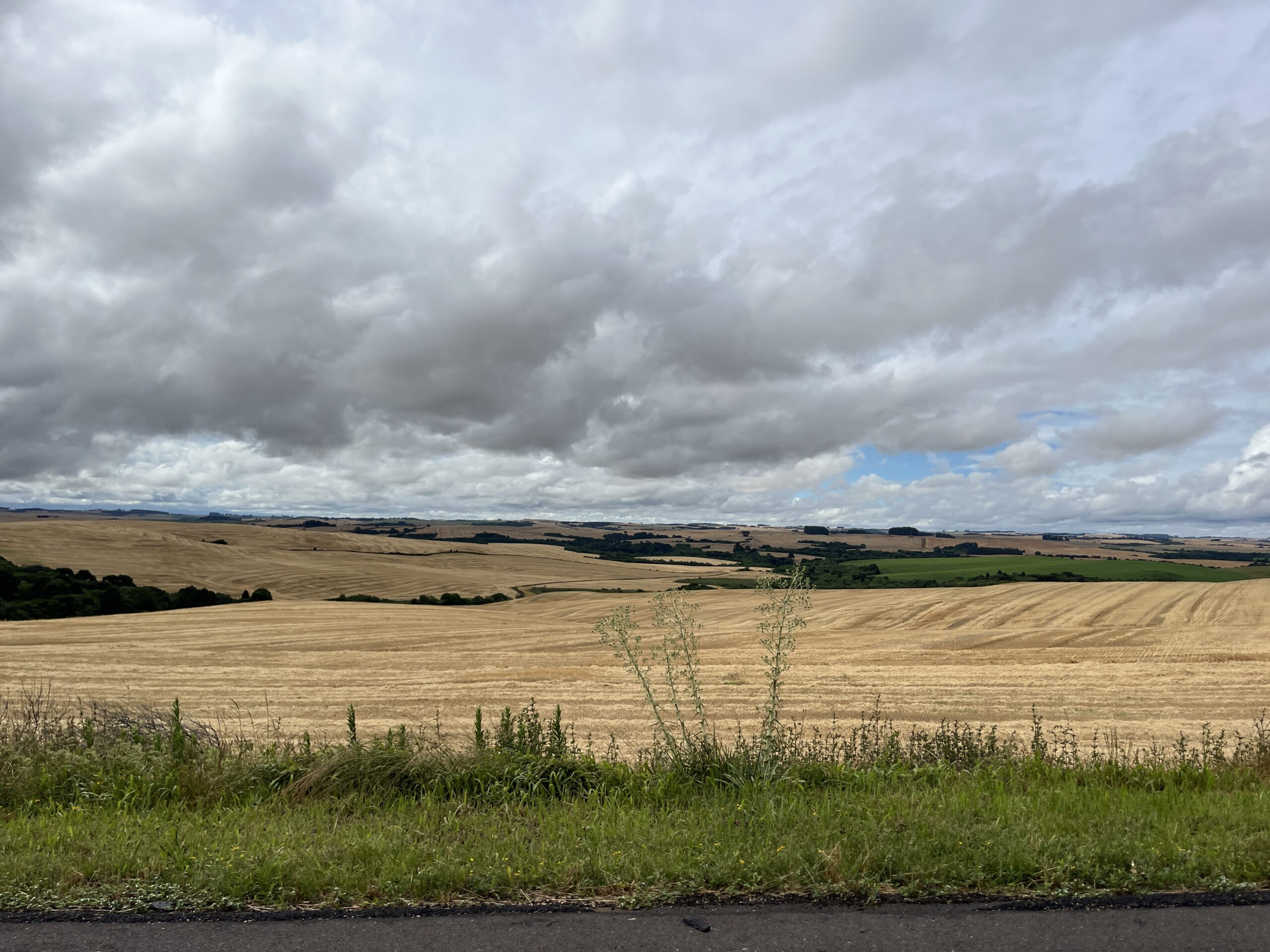
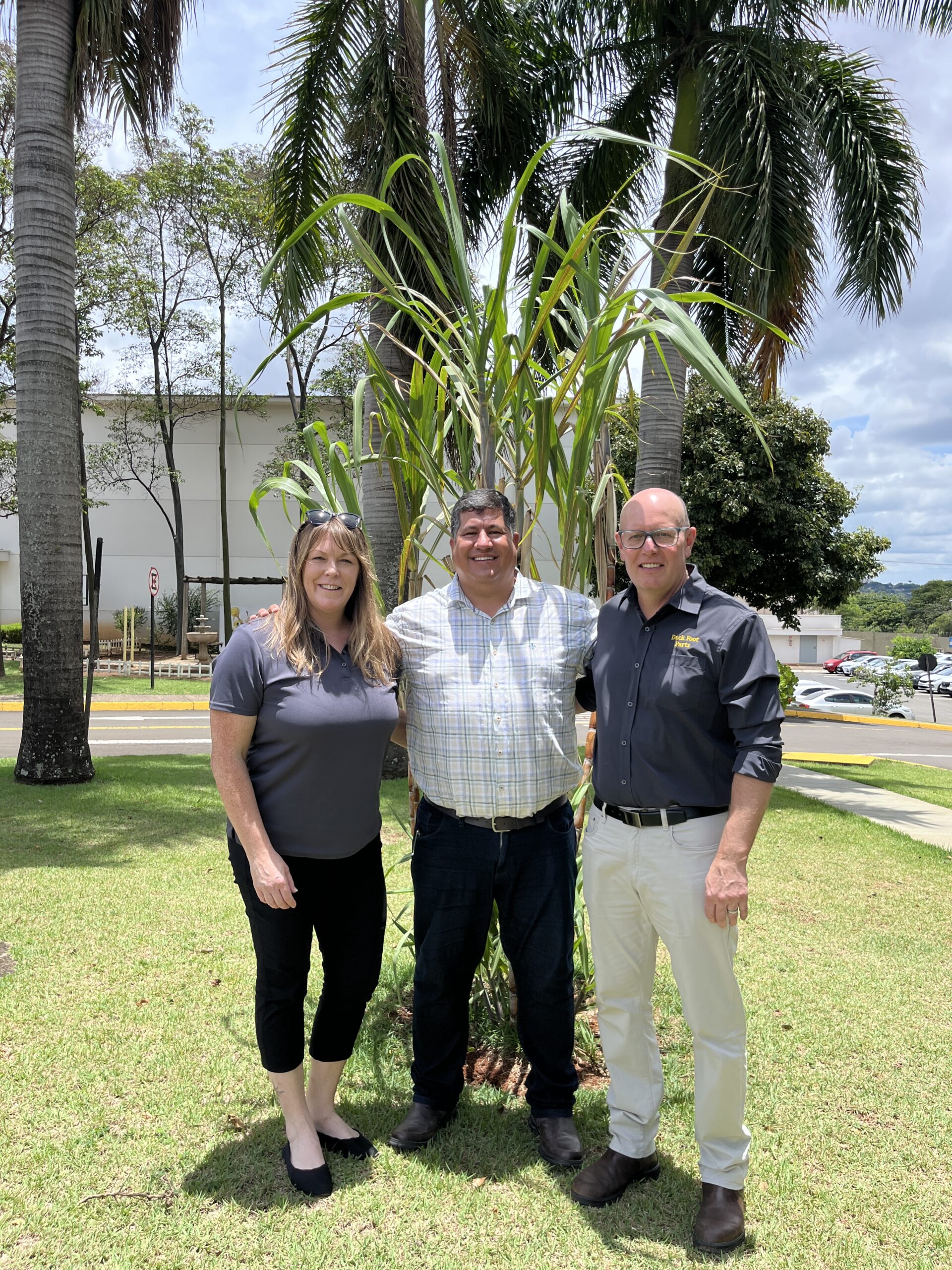
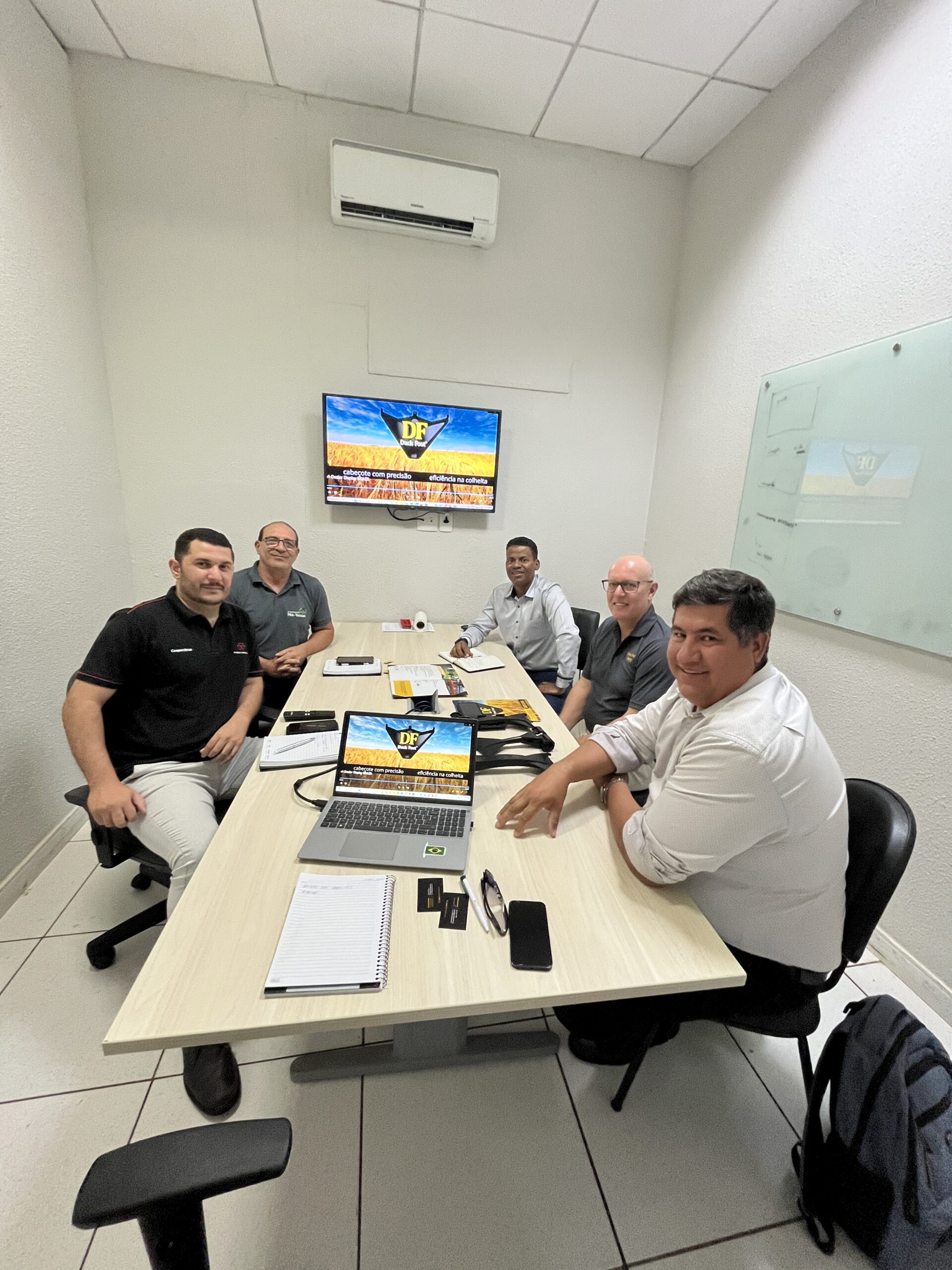
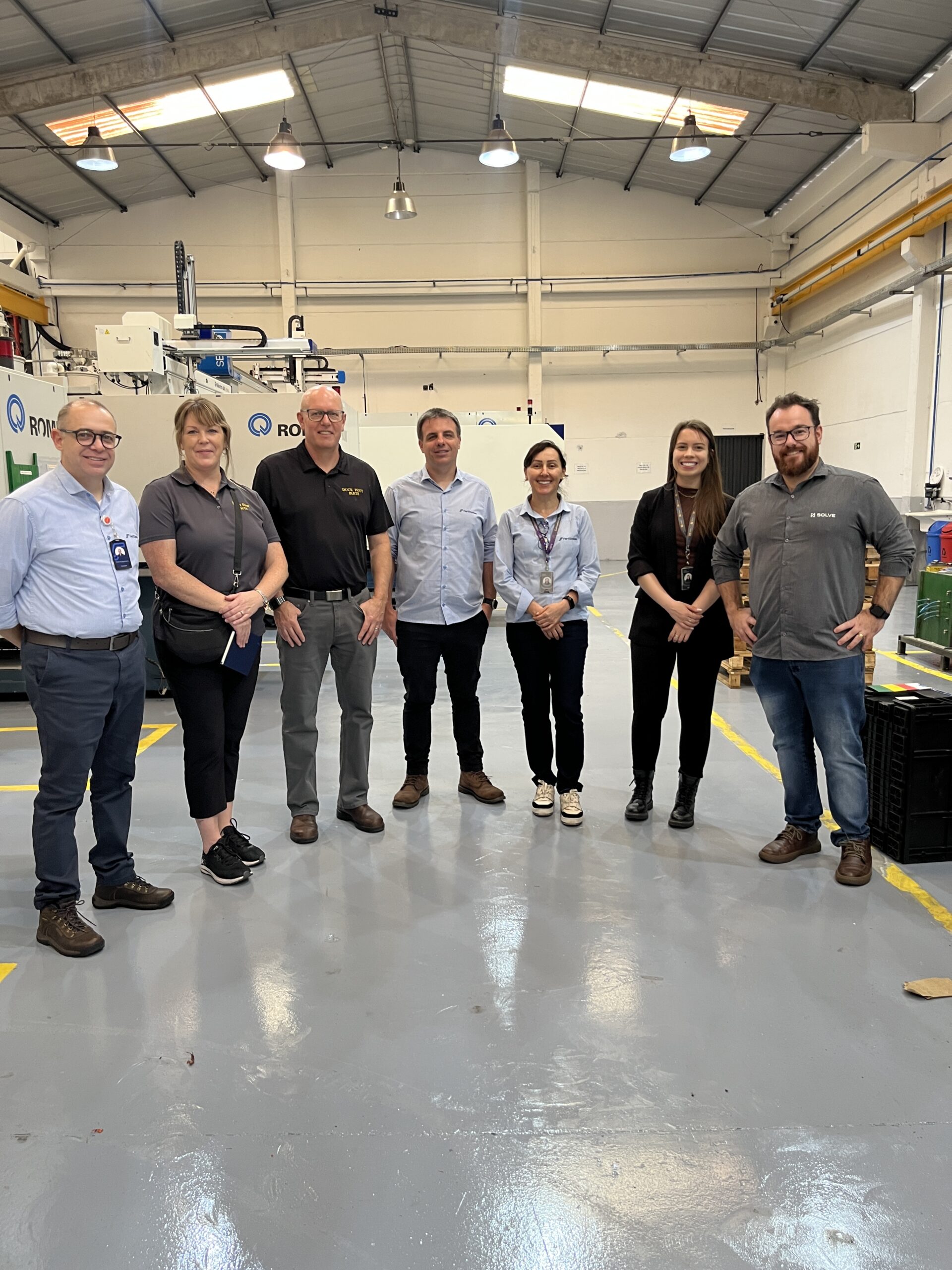
Steve and Chrisa traveled mainly along the southern coast, moving through São Paulo, Paraná, Santa Catarina, and Rio Grande do Sul. One of the highlights of the trip was being invited to a traditional Brazilian BBQ hosted by a friend at their home, full of amazing food, great company.
Being immersed in Brazilian culture was a fantastic experience, and Steve and Chrisa came home with a few things that stuck with them. For starters, whatever the GPS says for drive time, add an hour or two because traffic was a whole different world compared to driving on the prairies. They also quickly learned that dinner (supper) runs on a very different schedule in Brazil. Coming from a place where supper is on the table around 6pm, it wasn’t uncommon to sit down for dinner at 8 or 9pm. And when it comes to work, Brazilians put in serious hours. Full-time work typically runs between 200 and 240 hours per month.
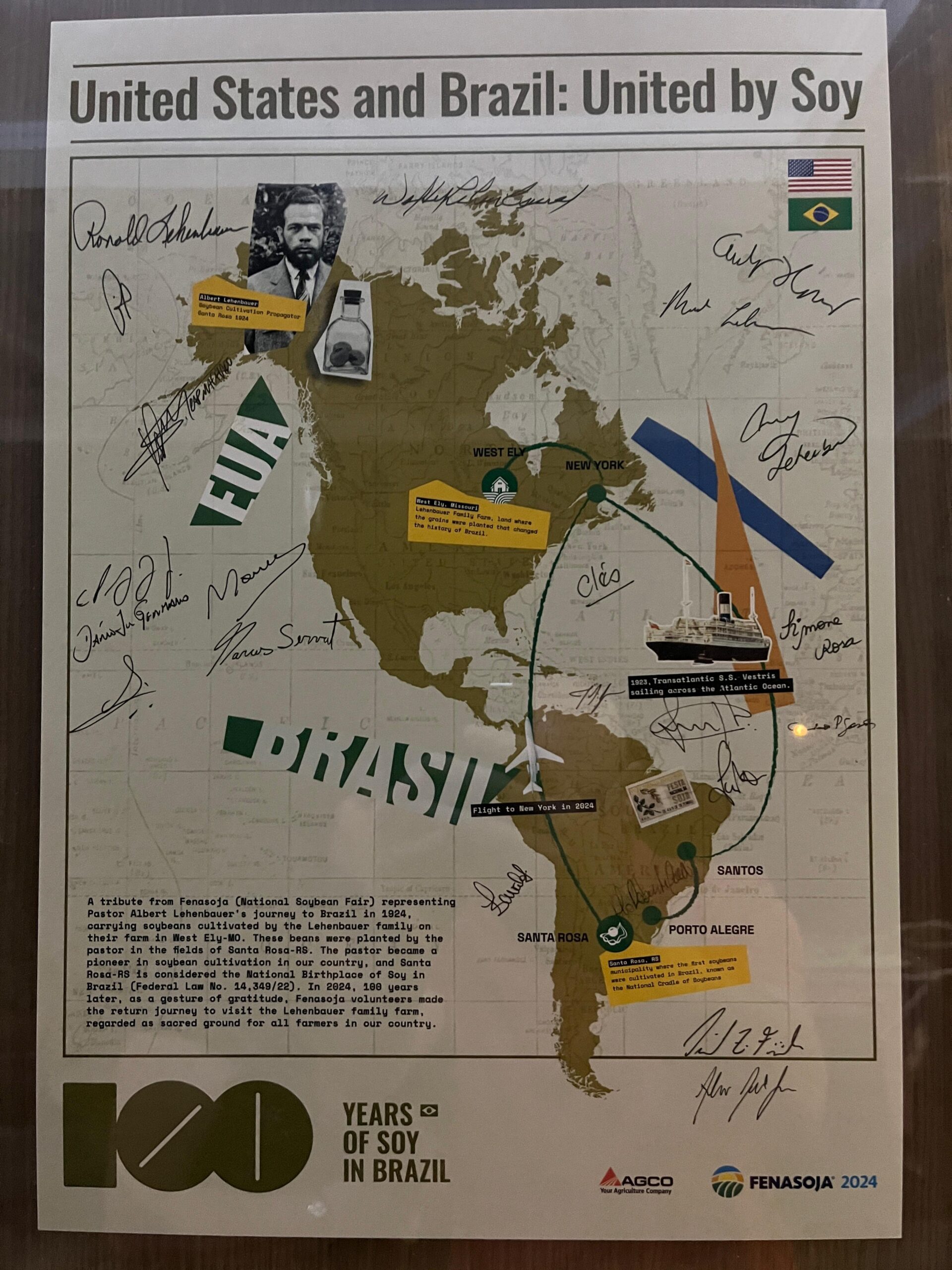
Brazil is the top producer and exporter of soybeans in the world, which is remarkable when you consider that soybeans weren’t even introduced to the country until 1923. One of the more fascinating things they learned was the story of how soybeans were brought over by an American pastor from Missouri who became a pioneer in soybean cultivation in the country. 2023 marked the 100-year anniversary of soybean growing in Brazil. It truly shows just how much can change in a century.
Meeting new manufacturing contacts, dealers, and farmers gave Steve and Chrisa a great perspective on both the similarities and differences in agriculture between Canada and Brazil. We are excited about the opportunities these relationships will bring, both for the business and for the international customers we serve.